
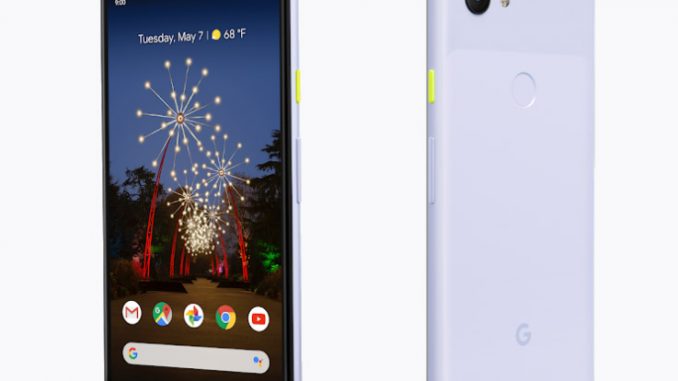
It is May 2019, and Google has just performed a technical ‘heist’ on the mid-range market. The Pixel 3a is a 147g masterpiece of essentialism, stripping away the expensive glass and wireless charging of the flagship Pixel 3 in favour of a lightweight polycarbonate unibody and a significantly lower price point. In the UK, it has arrived as a revelation: a phone that costs £399 but takes photos that can beat £1,000 flagships. It is the definitive ‘smart’ choice for the user who values software and camera quality over raw spec-sheet vanity.
The technical headline is the camera parity. Google has used the exact same 12.2-megapixel sensor and ‘Pixel Visual Core’ processing as the flagship, meaning features like ‘Night Sight’ and ‘Portrait Mode’ perform identically. Under the hood, it uses the Snapdragon 670 and 4GB of RAM, a technical step down that is barely noticeable in daily use thanks to Google’s lean software optimization. The screen is a 5.6-inch OLED (2220 x 1080) that offers deep blacks and vibrant colours, a rarity at this price point. It also marks the triumphant technical return of the 3.5mm headphone jack.
Connectivity is solid with 4G LTE, Wi-Fi ac, and NFC for Google Pay. The 3,000 mAh battery is remarkably efficient, often outlasting the standard Pixel 3 due to the less power-hungry processor. It also features ‘Active Edge,’ allowing you to squeeze the sides of the phone to launch the Google Assistant. The Pixel 3a is a landmark bit of tech; it proved that the most advanced part of a modern phone is the code, not the chassis. It brought world-class computational photography to the masses without a single compromise in image quality.