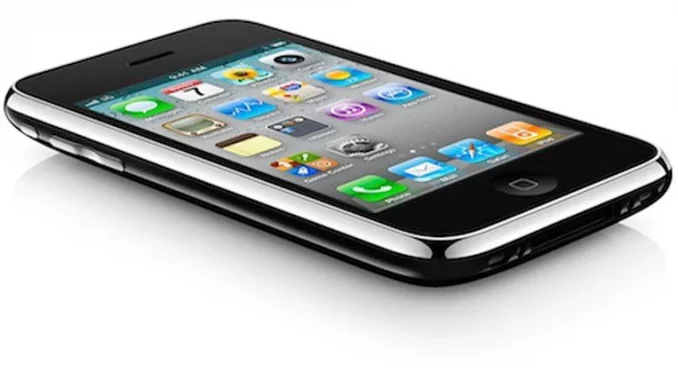
It is July 11, 2008, and the atmosphere in the UK is electric. If you thought the frenzy for the original iPhone was intense, you haven’t seen anything yet. The iPhone 3G has arrived, and Apple has addressed almost every technical grievance the British public had with the first model. While the original felt like a beautiful prototype, the 3G feels like a finished, globally-ready product. It has ditched the flat aluminium back for a glossy, curved plastic rear in black or white, which fits the hand far more naturally. It’s slightly thicker in the middle but tapered at the edges, making it feel remarkably slim. For the UK market, the biggest shift is the price: O2 is practically giving them away for free on certain high-end contracts, meaning the ‘phone of the elite’ has just been democratised.
The technical headline is right there in the name: 3G. By adding UMTS/HSDPA support, Apple has finally allowed the iPhone to run at the speeds the Safari browser deserves. No longer are you waiting for the blue progress bar to crawl across the screen while standing in a rainy bus shelter; pages now snap into view with a speed that makes the old EDGE connection feel like a dial-up modem from 1994. But the real ‘secret sauce’ isn’t the radio, it’s the launch of the App Store. This is the technical pivot point of the decade. Suddenly, your phone isn’t just what Apple says it is; it’s a game console, a flight tracker, a spirit level, or a translation tool. The integration of the SDK (Software Development Kit) has turned the iPhone from a gadget into a platform.
Under the hood, Apple has also included integrated A-GPS (Assisted GPS). This is a massive technical leap for the UK user, as it transforms Google Maps from a static directory into a live navigation tool that actually knows which side of the street you’re on. The screen remains the same stunning 3.5-inch capacitive multi-touch masterpiece (320 x 480), and it still sets the bar for every other manufacturer. However, some technical ‘Apple-isms’ remain: the camera is still the same fixed-focus 2.0-megapixel unit with no flash and no video recording, which is frankly embarrassing when compared to the Nokia N95 or the Sony Ericsson C902. They have, however, finally recessed the 3.5mm headphone jack properly, meaning you can toss that annoying adapter in the bin and use your own high-end cans.
Battery life is the inevitable casualty of the 3G and GPS chips. Even with a slightly larger 1150 mAh battery, the iPhone 3G is a ‘one-day’ phone at best. If you’re hammering the HSDPA data and playing ‘Texas Hold’em’ from the App Store, you’ll be hunting for a USB port by 4:00 PM. But the cultural and technical impact of the 3G cannot be overstated. It brought the App Store to the masses and made mobile broadband a basic human right rather than a luxury. It is the phone that moved the world from ‘mobile internet’ to ‘the internet, but mobile.’ It’s the definitive smartphone of 2008, a device that feels like it has finally caught up to its own ambitions.