
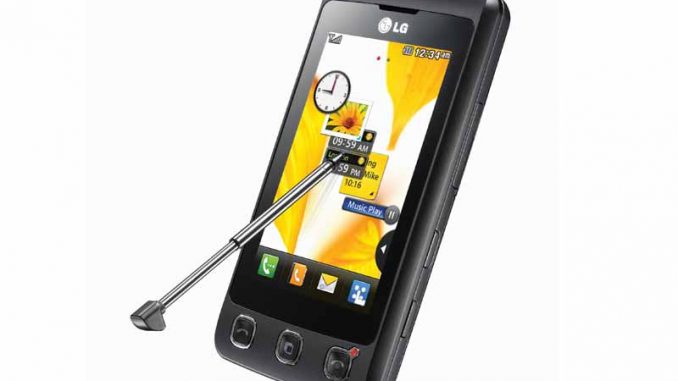
It is late 2008, and LG has just released a phone that is doing for touchscreens what the Nokia 3310 did for buttons: making them affordable for absolutely everyone. The KP500, better known as the ‘Cookie,’ is a technical marvel of cost-cutting and clever design. While the tech-elite are spending £500 on iPhones and Omnias, the Cookie has landed on UK pay-as-you-go shelves for around £100, and it is flying out of the doors. It is a slim, lightweight (89g) slab of plastic that manages to look far more expensive than it actually is, bringing the ‘all-screen’ aesthetic to the masses.
Technically, the Cookie is a masterpiece of optimisation. To hit that low price point, LG has used a 3.0-inch resistive touchscreen with a 240 x 400 resolution. Because it’s resistive, it comes with a tiny stylus tucked into the bottom of the chassis, but the ‘Flash UI’ is designed with large enough icons that you can mostly navigate with a thumb. It features an accelerometer for auto-rotating the screen and some surprisingly fun gesture-based features, like shaking the phone to roll digital dice or shuffle your music. It even includes a handwriting recognition engine that is technically impressive, if a little slow in practice.
However, the budget has to be balanced somewhere. The Cookie is a 2G-only device (EDGE), meaning it’s not built for the modern mobile web. It also lacks Wi-Fi and GPS. But for its target audience, the teenagers and the budget-conscious, this doesn’t matter. It packs a 3.15-megapixel camera that takes decent daylight snaps and records basic video. It also features an FM radio and a microSD slot that supports up to 16GB, essentially turning it into a very capable touchscreen MP3 player. The battery life is excellent, as the lack of 3G and Wi-Fi means the 900 mAh pack can easily last three days. The LG Cookie is a landmark bit of tech; it democratised the touchscreen and proved that you didn’t need a high-end contract to feel like you were living in the future.