
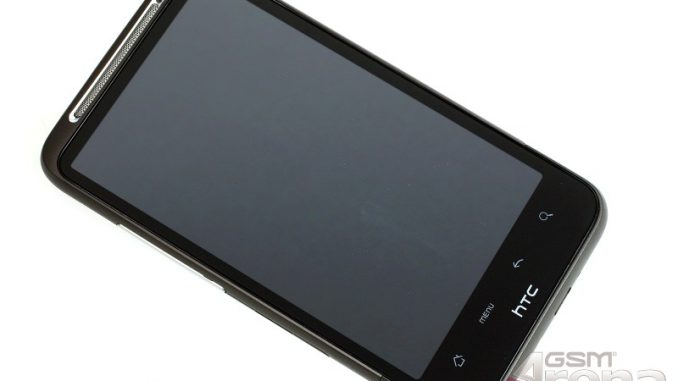
Welcome to the spring of 2010, where the HTC Desire has just landed in the UK and been immediately crowned the ‘King of Android.’ If the Galaxy S is a flashy sports car, the Desire is a finely tailored Savile Row suit, sophisticated, understated, and incredibly well-built. It is effectively a twin of the Google-branded Nexus One, but with the added technical brilliance of HTC Sense and a more practical set of physical buttons. Finished in a soft-touch ‘Bravo’ brown or silver, it features a 3.7-inch screen and a tiny optical trackpad that provides precision navigation when you don’t want to smudge the glass.
Technically, the Desire is built around the 1GHz Qualcomm Snapdragon ‘Scorpion’ processor, which in early 2010 felt like moving from a moped to a jet engine. Everything from opening the browser to panning across a complex map is instantaneous. The screen is a 3.7-inch AMOLED (later switched to SLCD due to supply shortages) with a 480 x 800 resolution. It is vibrant, sharp, and the perfect canvas for HTC Sense’s iconic ‘Flip Clock’ and ‘Leap’ view, which lets you pinch the home screen to see all seven panels at once. It’s a technical and aesthetic experience that makes the standard Android ‘Google’ experience look like a beta test.
The Desire features a 5-megapixel camera with an LED flash (giving it a leg up over the Galaxy S for indoor shots) and the ability to record 720p HD video after a software update. Connectivity is robust, with HSDPA up to 7.2 Mbps, Wi-Fi, GPS, and a digital compass. But it’s the little technical details that make the Desire so beloved in the UK: the way the ringer volume automatically lowers when you pick the phone up, or how it can act as a Wi-Fi hotspot to share its 3G connection with your laptop. It also features an FM radio, a microSD slot for up to 32GB of storage, and a 3.5mm headphone jack.
The only technical weak spot is the internal storage for apps, which is a measly 148MB. You’ll find yourself carefully managing your app list until the Android 2.2 Froyo update arrives to allow ‘Apps on SD.’ The 1400 mAh battery is a standard ‘daily’ performer, requiring a nightly charge if you’re using those gorgeous weather widgets. The HTC Desire is a landmark device; it’s the phone that made Android ‘respectable’ for the average consumer. It is ergonomic, powerful, and deeply human in its design. For many in the UK, this was the first phone that truly felt like a viable, and perhaps superior, alternative to the iPhone.