
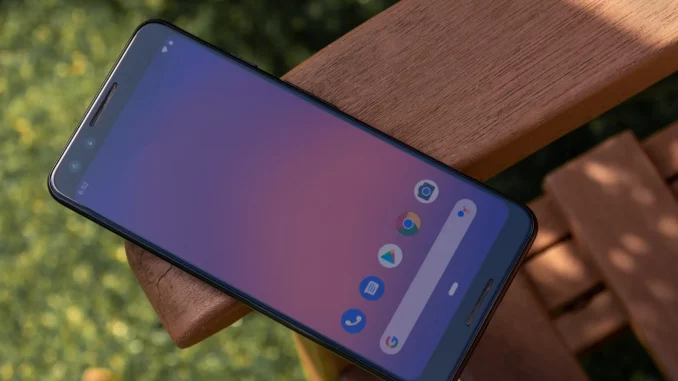
It is October 2018, and Google has released the most technically advanced ‘small’ phone on the market. The Pixel 3 is a 148g masterpiece of software-hardware integration, featuring a unique etched-glass back that feels like silk and provides a secure grip without the greasiness of standard glass. In the UK, it has arrived as the definitive proof that you don’t need three cameras to take the best photos in the world, you just need the best code. It is a refined, compact, and incredibly intelligent device that feels like a proactive assistant rather than just a handset.
The technical headline is ‘Night Sight.’ Using revolutionary computational photography, the Pixel 3 can take handheld photos in near-total darkness that look like they were taken with a tripod and a long exposure. It also features ‘Super Res Zoom,’ which uses the natural handshake of your body to fill in extra pixel data, giving you high-quality digital zoom from a single 12.2-megapixel lens. Under the hood, it’s powered by the Snapdragon 845 and a dedicated ‘Titan M’ security chip, which protects your lock screen and disk encryption. The 5.5-inch flexible OLED (2160 x 1080) is a massive technical improvement over the Pixel 2, offering vibrant colours and deep blacks without the previous ‘blue shift’ issues.
The front of the device features dual 8-megapixel cameras, including a dedicated ultra-wide lens for ‘Group Selfies,’ a technical inclusion that has immediately become a social media favourite in the UK. It also features dual front-facing stereo speakers that are 40% louder than the previous generation. Connectivity is total with 4G LTE, Wi-Fi ac, and the return of Qi wireless charging. The 2,915 mAh battery is intelligently managed by ‘Adaptive Battery’ software, ensuring it lasts a full day. The Pixel 3 is the smartest phone of 2018; it is a clinical, powerful, and deeply helpful machine that prioritises artificial intelligence over raw hardware bloat.