

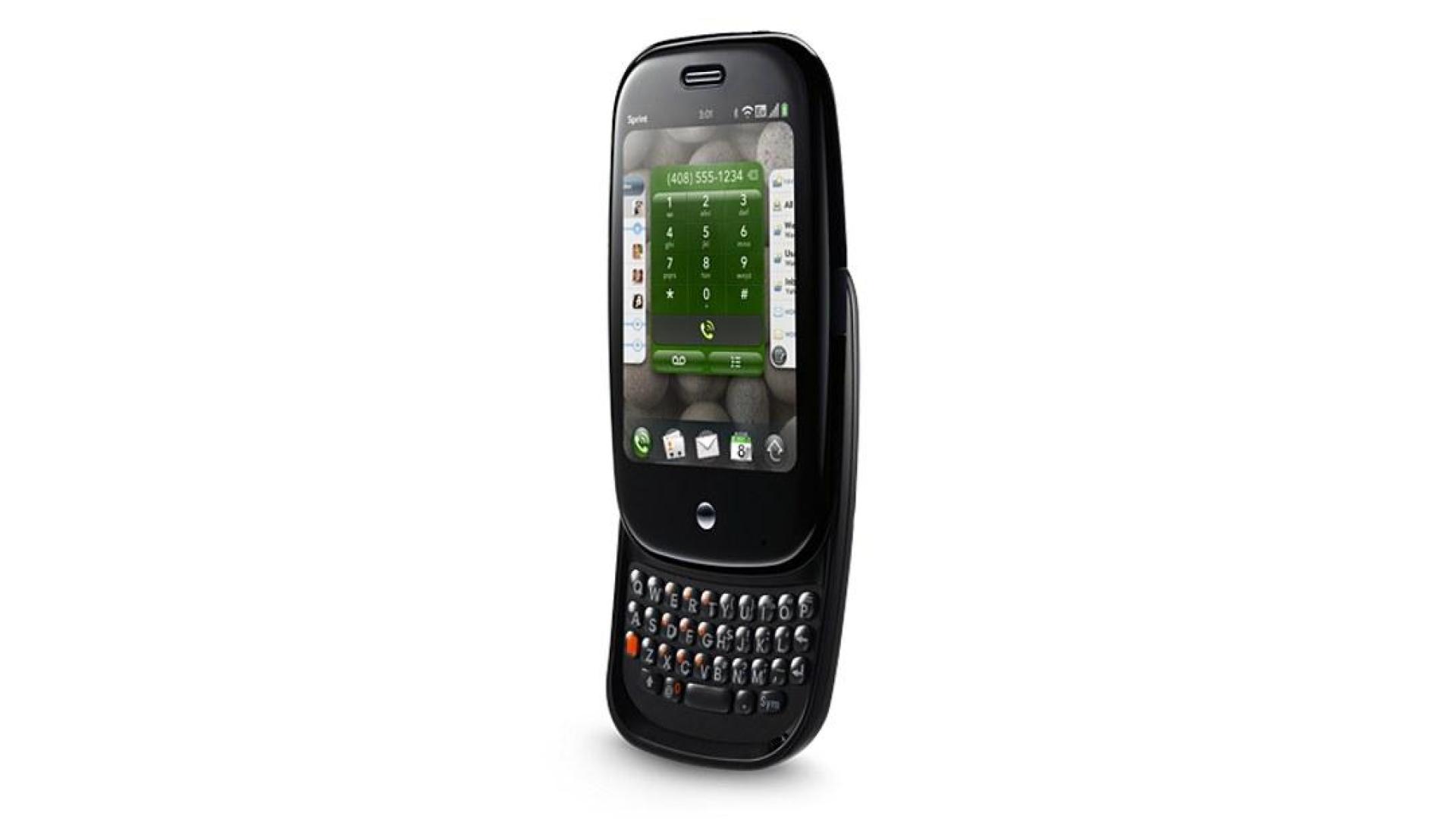
It is the start of 2010 in the UK, and the O2 shops have finally taken delivery of the ‘Great Lost Hope’ of the smartphone world. The Palm Pre is a technical and aesthetic departure from everything else on the market, designed by a team led by Jon Rubinstein (the man who essentially fathered the iPod). It is a tiny, glossy black ‘river stone’ of a phone that slides up to reveal a miniature QWERTY keyboard. At 135g, it feels organic and soft in a world of hard-edged tech, but the real technical revolution isn’t the hardware, it’s the software. The Pre runs webOS, an operating system that is so far ahead of its time that it makes the iPhone look static and Android look like a disorganized hobbyist project.
The headline technical innovation is ‘Cards.’ This is the first mobile OS to feature true, visual multitasking. Every app you open becomes a card; you swipe between them with a flick of a finger and ‘throw’ them off the top of the screen to close them. It is an incredibly fluid, tactile way to interact with a device. Then there’s ‘Synergy,’ a technical masterclass in data integration. You don’t ‘import’ contacts to the Palm Pre; you just sign into Facebook, Google, and LinkedIn, and the phone automatically merges them into a single, unified view. If a friend changes their profile picture on Facebook, it updates in your address book instantly. It’s a level of ‘joined-up thinking’ that we’ve been dreaming of for years.
On the hardware side, the Pre features a 3.1-inch capacitive touch screen with a 320 x 480 resolution. It’s bright and sharp, but the real technical ‘magic’ happens at the bottom of the device in the gesture area, a touch-sensitive strip where you perform swipes to navigate. It also features a 3.15-megapixel camera with an LED flash and, most impressively, the ‘Touchstone.’ This is the world’s first commercial implementation of inductive (wireless) charging. You simply magnetically attach the phone to a slanted stone on your desk, and it charges without wires. It is a glimpse of a cord-free future that feels like genuine science fiction in 2010.
However, the Palm Pre is a technical tragedy of ‘great software, questionable hardware.’ The ‘Oreo’ sliding mechanism is notoriously loose, often wobbling from side to side, and the keyboard feels like trying to type on a row of tiny, hard grains of rice. Under the hood, it’s powered by a 600 MHz TI OMAP processor with 8GB of non-expandable storage. Connectivity is top-tier with 3G/HSDPA, Wi-Fi, and GPS, but the 1150 mAh battery is a disaster. Between the constant data syncing of Synergy and the gorgeous card animations, the Pre will barely make it through a lunch break, let alone a full day. It is a brilliant, beautiful, and deeply flawed pioneer, a phone that gave us the blueprint for the next decade of mobile software, even if it couldn’t survive the journey itself.
