

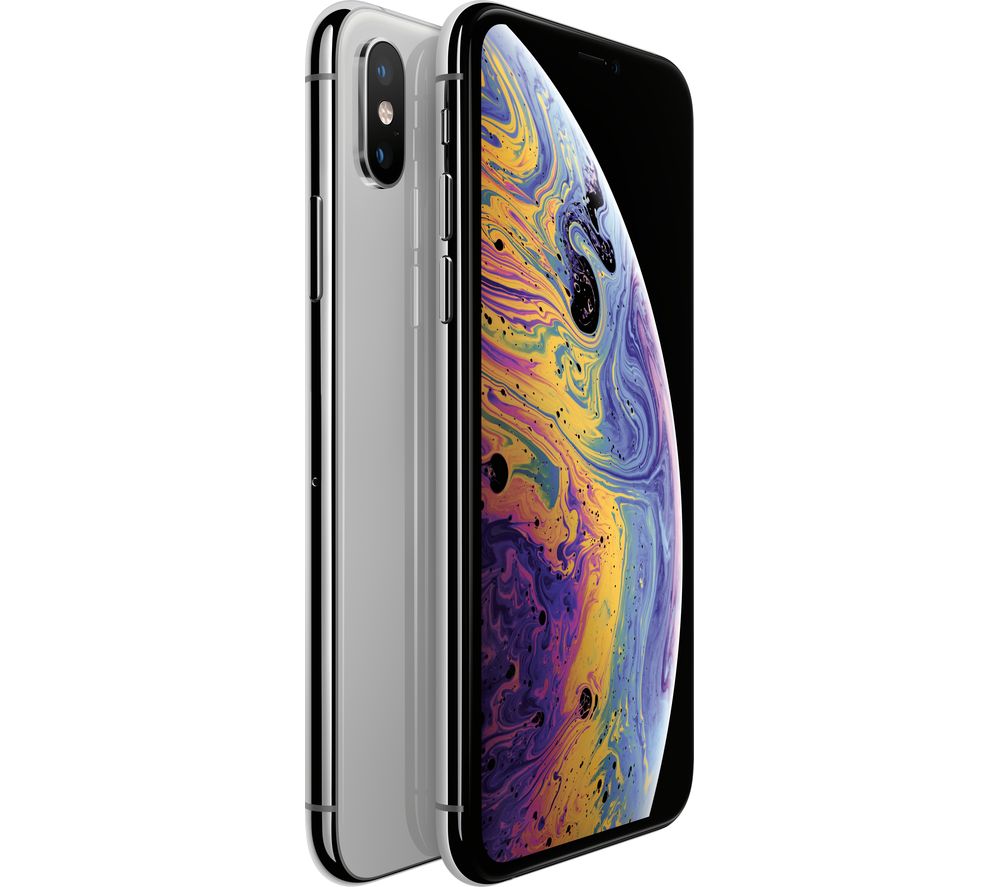
It is September 2018, and Apple has refined the ‘future’ with the iPhone XS. While it looks identical to the revolutionary iPhone X, it is a technical powerhouse that introduces the world’s first 7nm smartphone chip: the A12 Bionic. At 177g, finished in surgical-grade stainless steel with a new, stunning Gold option, it feels like the most dense and premium object in the mobile world. In the UK, it has arrived as the definitive choice for those who want the most advanced silicon in a perfectly sized, one-handed form factor.
The technical headline is the A12 Bionic and its next-generation Neural Engine, which can perform 5 trillion operations per second. This enables ‘Smart HDR,’ a technical feat where the camera captures multiple frames at different exposures and blends them in real-time to preserve highlight and shadow detail that was previously impossible on a phone. The 5.8-inch Super Retina OLED display (2436 x 1125) remains breathtaking, offering a 1,000,000:1 contrast ratio and support for Dolby Vision. It also features a new technical improvement in durability: the glass is the most durable ever in a smartphone, and the device is now IP68 rated, meaning it can survive a 2-metre dunk for 30 minutes.
Imaging is significantly improved with a larger, faster 12-megapixel sensor that features deeper pixels for better low-light performance. It also introduces ‘Depth Control,’ allowing you to adjust the background blur *after* taking a portrait shot. Connectivity is top-tier with ‘Gigabit-class’ LTE and dual-SIM support (via eSIM), a massive technical win for UK frequent travellers. While the 2,658 mAh battery is modest on paper, the efficiency of the 7nm chip ensures a solid day of use. The iPhone XS is a masterclass in internal engineering; it took the bold blueprint of the X and filled it with the most advanced silicon on the planet.
