

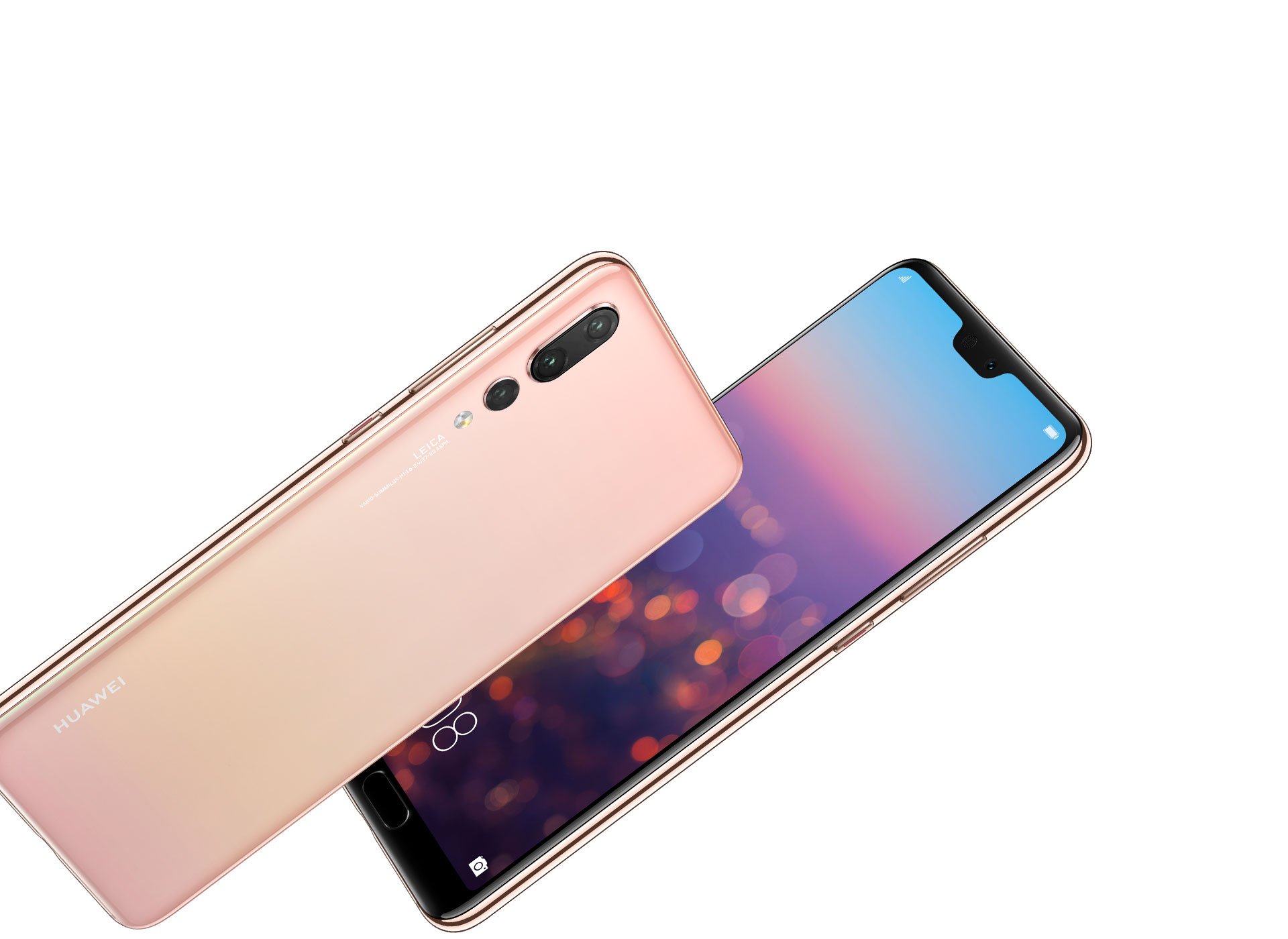
It is April 2018, and Huawei has just sent a technical shockwave through the mobile industry. The P20 Pro is a 180g masterclass in innovation, featuring a world-first: a triple-lens camera system designed in partnership with Leica. Finished in a stunning, colour-shifting ‘Twilight’ gradient that has instantly become the most copied design in the UK, it is a bold statement that Huawei is no longer just competing, they are leading. It is a dense, high-quality machine that has redefined what we expect from a smartphone camera.
The technical headline is the 40-megapixel ‘Light Fusion’ sensor. Paired with a 20-megapixel monochrome sensor and an 8-megapixel telephoto lens, it uses ‘Master AI’ to recognize over 500 scenarios in 19 categories. Most impressively, it introduces ‘Night Mode,’ a technical breakthrough that uses computational long exposure to take 4-second handheld shots in near-total darkness without a tripod. Under the hood, it is powered by the Kirin 970 processor with a dedicated ‘Neural Processing Unit’ (NPU), specifically designed to handle these heavy AI tasks. It also features a massive 4,000 mAh battery, the largest in any flagship of its era.
The screen is a 6.1-inch OLED (2240 x 1080) with a modern notch, offering vibrant colours and excellent brightness. While it lacks the Quad HD resolution of the S9, its sheer stamina and photographic prowess more than compensate. Connectivity includes 4G LTE Cat 18, Wi-Fi ac, and IP67 water resistance. It also features a lightning-fast front-mounted fingerprint sensor that supports gesture navigation. The Huawei P20 Pro is a landmark bit of tech; it is the device that proved computational photography and multi-lens arrays were the future, effectively ending the reign of the traditional point-and-shoot camera.
