
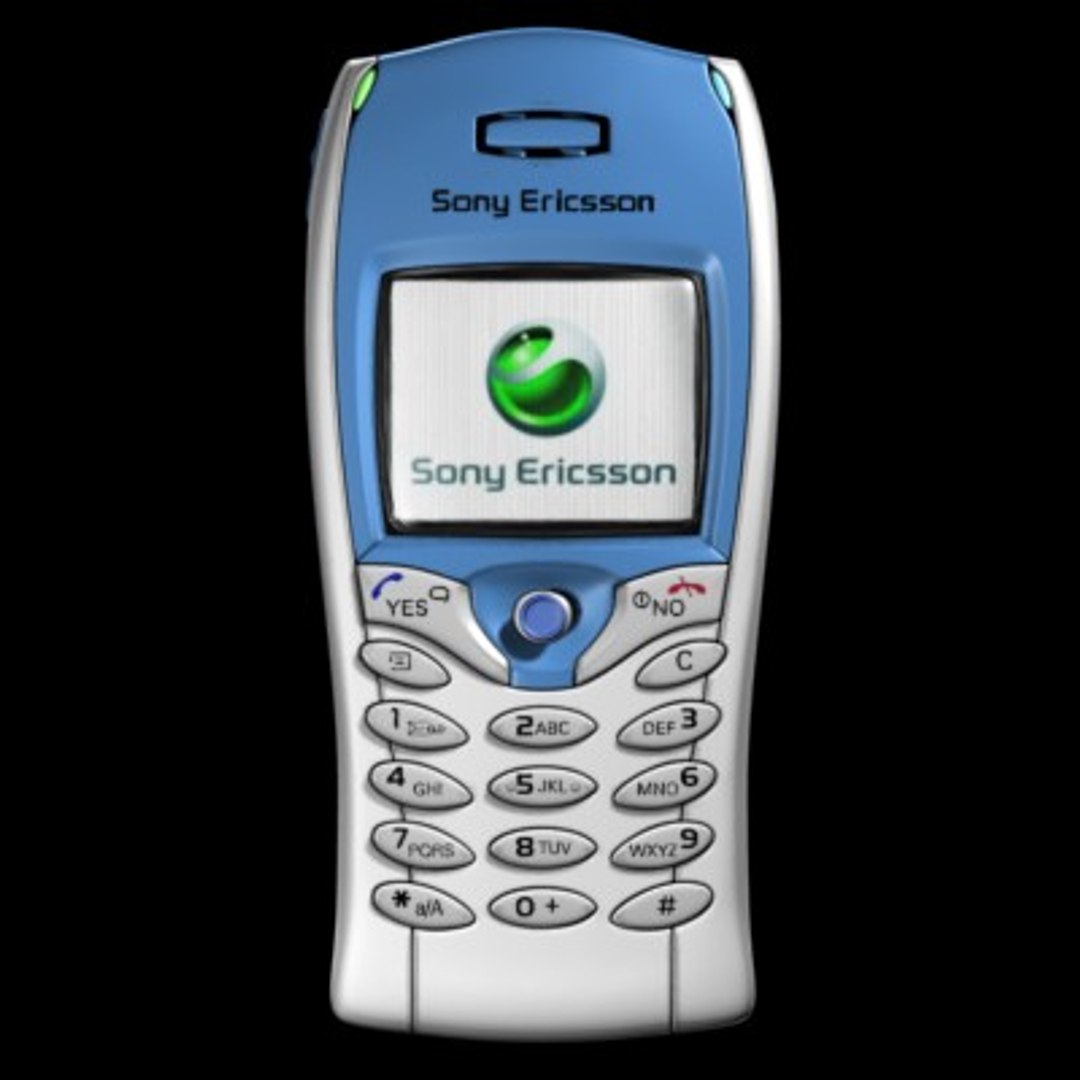
It is late 2001, and Ericsson has just dropped a bomb on the industry that makes every other monochrome “brick” look like a Victorian relic. The T68 is the first widely available handset in the UK to feature a 256-colour STN display, and while 101 x 80 pixels sounds modest, seeing a tiny digital image in actual colour is like moving from a wireless set to a colour telly. It’s a dual-band GSM marvel that also supports GPRS, meaning you’re technically “always on” the internet, even if the WAP 1.2.1 browser still feels like reading the news through a letterbox. It’s incredibly compact at just 84g, featuring a stubby internal antenna and a joystick for navigation that feels remarkably high-tech, even if it does occasionally feel like it might snap off if you’re too aggressive with a game of Erix.
Technically, the T68 is a tour de force, packed with Bluetooth, infrared, and even a “CommuniCam” accessory that lets you take grainy 640 x 480 photos and send them via MMS—provided you have the patience for a 9.6 kbps transfer. The battery life is surprisingly resilient for a colour phone, offering up to 300 hours of standby thanks to its 700 mAh Li-Polymer cell. It’s pricey, it’s tiny, and it marks the final solo flight of Ericsson before they join forces with Sony, but as a piece of engineering, the T68 is the undisputed king of the hill for anyone who wants a glimpse of the mobile future.