
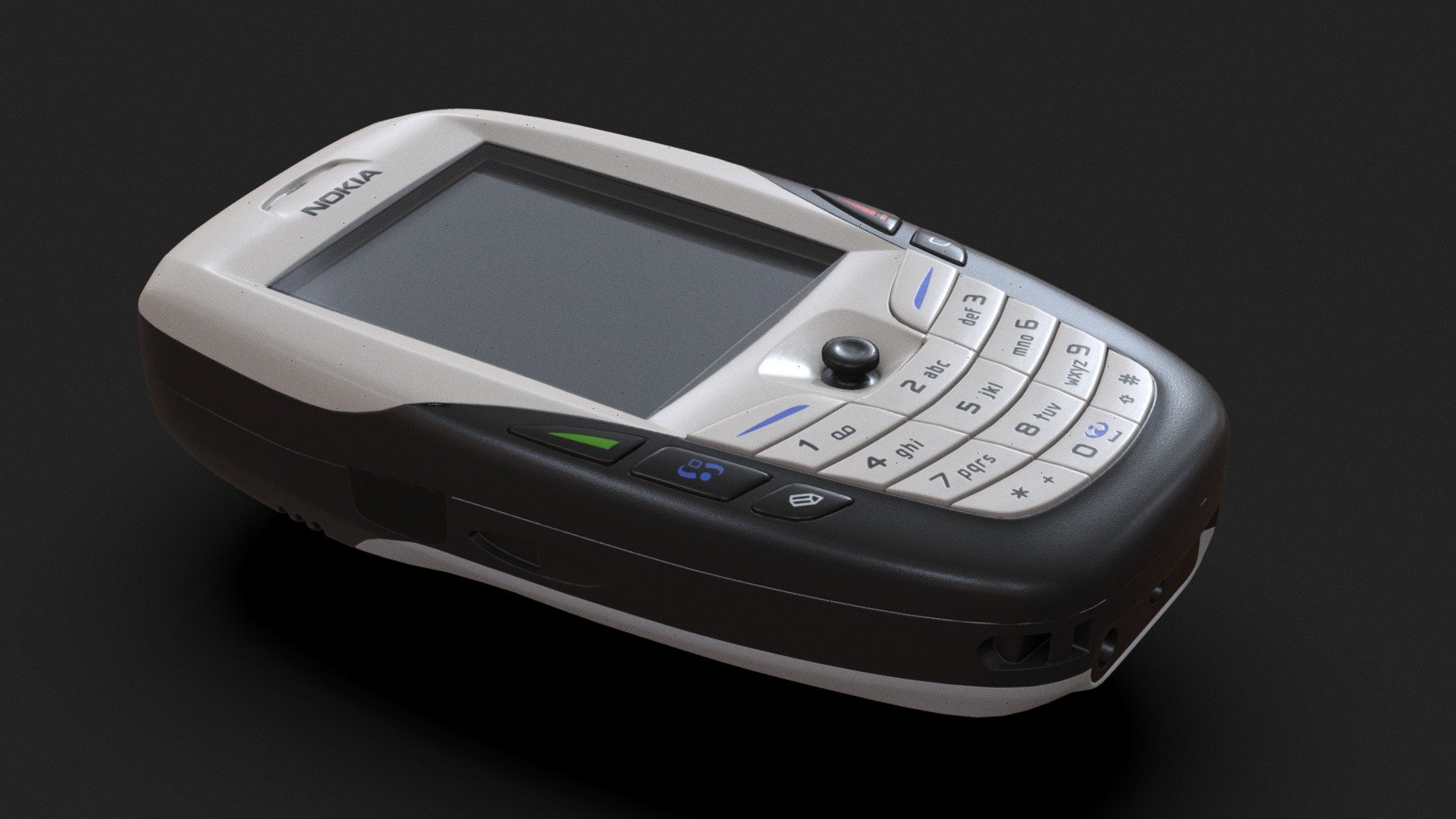
The ‘Fat Phone’ has arrived in the UK, and it’s here to tell you that your PDA is obsolete. Launched in October 2003, the Nokia 6600 is a significant technical milestone; it is the most advanced Series 60 device Nokia has ever produced. It’s a chunky, soap-bar shaped beast that feels substantial in the hand, weighing 122g. While it might look like it’s had one too many Sunday roasts, that girth is there to house a 104 MHz ARM9 processor and the Symbian OS 7.0s, making it a legitimate computer that happens to fit in your (admittedly large) pocket.nnThe display is a stunning 2.1-inch TFT with 65,536 colours and a 176 x 208 resolution. For 2003, this is the gold standard. When you open a high-res wallpaper or a menu with those vibrant icons, the 6600 feels like it’s a generation ahead of the T610. It’s the first phone where the ‘smartphone’ promise really starts to deliver. You’ve got a VGA camera on the back with a 2x digital zoom, and for the first time on a Nokia, you can record video with sound. The quality is… well, it’s 2003 quality, meaning it looks like it was filmed through a jar of Vaseline, but the fact you can do it at all is staggering.nnTechnically, the 6600 is built for the power user. It features an MMC expansion slot (hidden behind the battery, unfortunately) which allows you to move beyond the 6MB of internal memory. This means you can actually load it up with MP3s or third-party applications like the Opera browser or advanced email clients. It’s got Bluetooth and an infrared port, making it the ultimate tool for the London commuter who needs to sync their calendar on the fly. The keypad is a bit of a squeeze due to the curved sides, and the joystick can be a bit ‘fiddly’ when you’re trying to navigate a complex spreadsheet, but these are minor quibbles. The battery life is surprisingly decent for a smartphone, though if you’re heavily using the Bluetooth or the camera, you’ll be charging it every night. The 6600 isn’t just a phone; it’s a statement of technical intent. It’s Nokia showing the world that they own the high-end, and if you want the future today, you have to be willing to carry a bit of extra weight.