
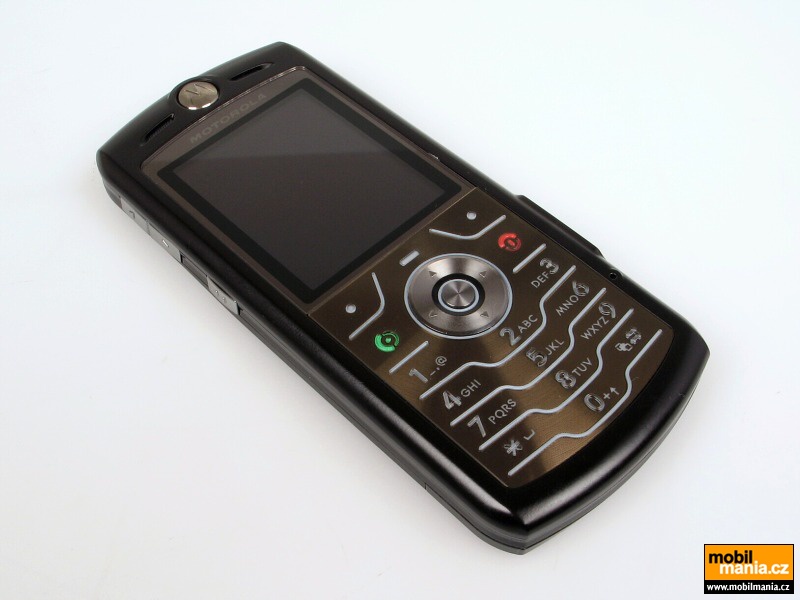
It is the start of 2006, and Motorola has decided that if you liked the Razr but found the whole ‘flipping’ thing a bit too much like hard work, you should probably buy the SLVR L7. Following on from the L6, the L7 is the premium ‘candybar’ expression of Motorola’s obsession with thinness, and it is a technical marvel of metallic construction. At just 11.5mm thick, it is thin enough to disappear in a pocket, yet it feels as solid as a structural beam because it’s fashioned from anodised aluminium and magnesium. In the UK, this is the phone for the person who wants the Razr’s ‘wow factor’ but in a more traditional, ‘monoblock’ form factor. It is effortlessly cool, dangerously thin, and finished in a matte black that makes it look like it belongs in the hands of a stealth bomber pilot.nnTechnically, the L7 is a quad-band GSM workhorse that brings a surprisingly high-end screen to the mid-range market. It features a 1.9-inch TFT display with 262,144 colours and a 176 x 220 resolution. While we’re starting to see QVGA screens on the top-tier Nokia and Samsung models, the L7’s display is remarkably bright and sharp for its price point, protected by a scratch-resistant glass lens. The keypad is the real engineering showcase; it’s a single sheet of nickel-plated copper with chemically etched numbers, illuminated by that signature blue electroluminescent glow. It’s a bit flat to the touch, which can make marathon texting sessions a bit of a challenge for the uninitiated, but the tactile feedback is surprisingly decent once you find your rhythm.nnUnder the hood, Motorola has finally fixed the memory issue that plagued the original Razr. The L7 features a microSD (TransFlash) expansion slot tucked away on the side, and it can support cards up to 512MB. This transforms the phone into a legitimate MP3 player, and in some UK versions, it even comes with a mobile version of iTunes pre-installed, allowing you to sync 100 songs directly from your Mac or PC. The audio quality through the proprietary ‘mini-USB’ headset is excellent, and the inclusion of Bluetooth 1.2 means you can use a wireless headset for calls. The camera is a VGA unit (640 x 480) which, let’s be honest, is a bit of a disappointment for 2006; it’s fine for a quick snap of a funny sign, but it won’t be replacing your Sony Ericsson K750i any time soon.nnThe user interface remains the ‘MotoGUI,’ and while it’s significantly faster on the L7 than on earlier models, it still feels a bit like a maze designed by a mad scientist. The logic is occasionally baffling, but it’s a small price to pay for a phone this beautiful. Battery life is a highlight; despite the slim profile, the 820 mAh Li-Ion pack provides up to 310 hours of standby, making it one of the most reliable ‘fashion’ phones on the market. The Motorola L7 isn’t trying to be a technical powerhouse; it’s trying to be the most stylish candybar in the world, and it succeeds by a landslide. It is thin, metallic, and surprisingly practical—the definitive SLVR for the modern Brit.