
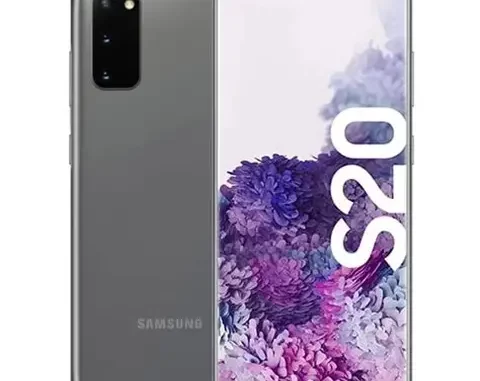
It is March 2020, and Samsung has skipped a decade of naming to land on the Galaxy S20. This is a 163g technical powerhouse that has prioritised two things above all else: high-refresh-rate displays and 5G connectivity. Finished in a sleek, glass-and-metal chassis with a much smaller camera ‘hole-punch,’ it feels like a refined, surgical instrument. In the UK, it has arrived as the first ‘mainstream’ 5G flagship, marking the beginning of a new era of mobile speed and massive camera sensors.
The technical headline is the 6.2-inch Dynamic AMOLED 2X display. This is the first Samsung flagship to offer a 120Hz refresh rate, making every scroll and animation feel twice as smooth as previous generations. Under the hood, the UK model is powered by the 7nm Exynos 990 and 8GB of RAM (up to 12GB for the 5G model). The camera system has seen a total technical overhaul, featuring a new 64-megapixel telephoto sensor that enables 3x ‘Hybrid Optic Zoom’ and a staggering 30x ‘Space Zoom.’ It is also the first smartphone capable of recording 8K video at 24fps.
Connectivity is the primary focus, with integrated 5G sub-6 support ensuring the device is ready for the UK’s expanding networks. The 4,000 mAh battery is a necessary upgrade to handle the power demands of the 120Hz screen and 5G modem. It also features IP68 water resistance, fast wireless charging 2.0, and ‘Wireless PowerShare.’ While it marks the final technical departure of the headphone jack from the S-series, the S20 is a masterclass in high-spec engineering. It is a fast, future-proofed, and incredibly capable device that set the standard for the 2020s.