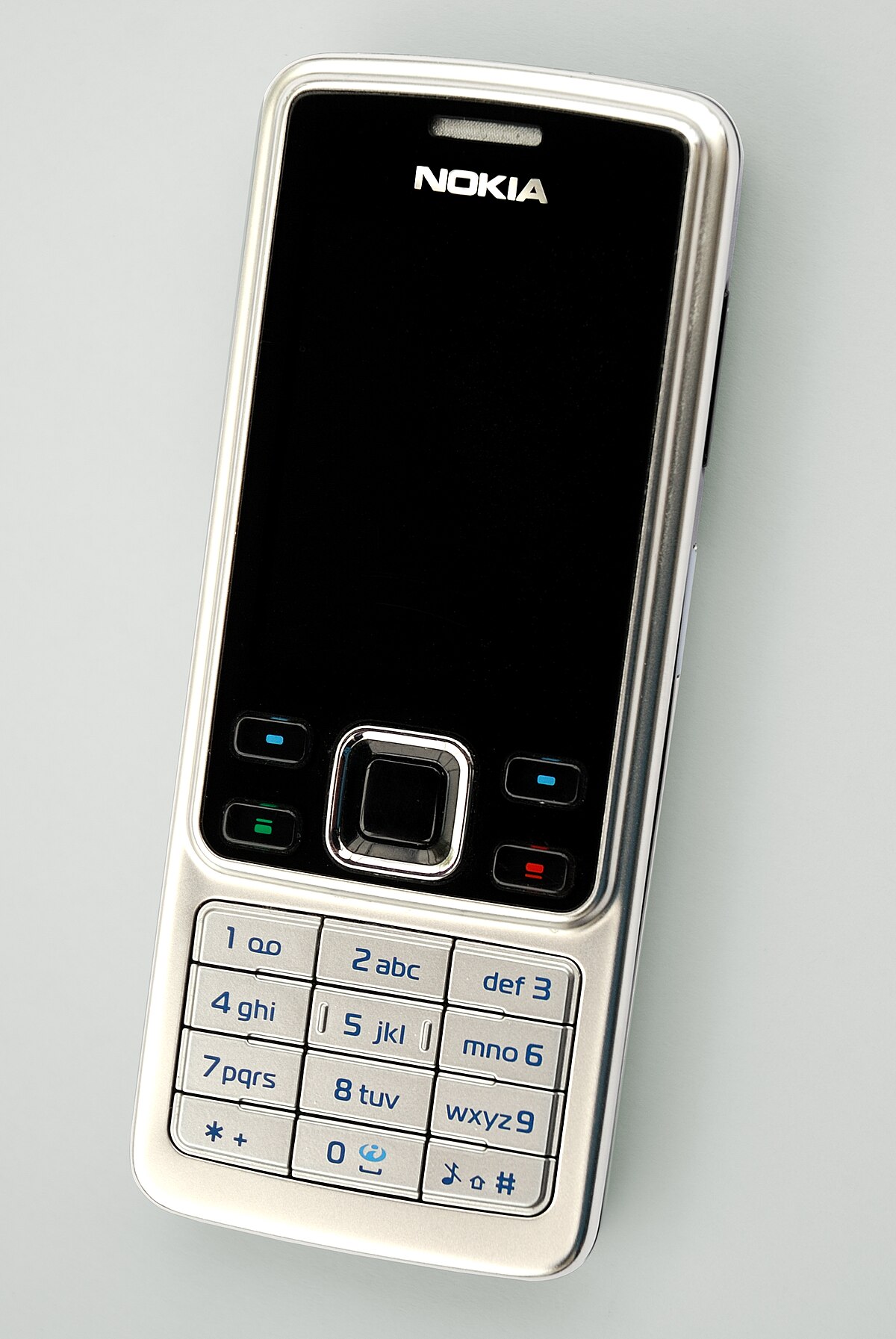

Welcome to the beginning of 2007, where Nokia has just released a phone so fundamentally right that it has effectively become the ‘uniform’ for the British middle class. The Nokia 6300 is not a technical ‘Godzilla’ like the N95; instead, it is a masterclass in understated, premium industrial design. It’s a slim candybar, just 11.7mm thick, finished in a combination of high-grade stainless steel and matte black plastic. It feels cool to the touch, heavy in the hand (91g), and remarkably expensive, despite being available for a very reasonable price on almost any O2 or Orange contract. If the Razr was for the flashy, the 6300 is for the person who wants a phone that says ‘I am a sensible adult with excellent taste.’nnOn the technical side, the 6300 is built around a truly spectacular screen. It’s a 2.0-inch QVGA (240 x 320) TFT display with 16.7 million colours. At the time of its release, this was one of the highest pixel densities on the market, making the icons of the Series 40 3rd Edition interface look like they’ve been printed onto the glass. It is bright, sharp, and features a viewing angle that puts many of its contemporaries to shame. The keypad is another technical highlight; the buttons are made of high-quality plastic with a tactile ‘click’ that makes T9 texting a joyous, rhythmic experience. The blue LEDs on the side of the phone, which pulse gently to notify you of a missed call or a text, are a subtle but brilliant technical touch that adds to the ‘premium’ feel without being garish.nnTechnically, the 6300 is a solid, if not revolutionary, performer. It features a 2.0-megapixel camera that is hidden neatly on the rear stainless steel plate. It lacks autofocus and a flash, meaning it’s strictly for well-lit outdoor snaps, but it can record basic video clips. The real value lies in the multimedia capabilities; it features an FM radio, a very capable MP3 player, and—praise be—a microSD slot that supports cards up to 2GB. Connectivity is handled by Bluetooth 2.0 and a mini-USB port, though Nokia still persists with their proprietary ‘Pop-Port’ for the headset, which is a bit of a nuisance. It is a tri-band GSM device, lacking 3G, but for most users in 2007, the reliable GPRS/EDGE connection is more than enough for a bit of light WAP browsing.nnThe user interface is the pinnacle of the ‘classic’ Nokia experience. It is fast, intuitive, and allows for ‘Active Standby,’ letting you see your calendar entries and music track info directly on the home screen. It feels like a phone that has been refined over a decade until there are no rough edges left. However, the thin design has one technical casualty: the battery. The 860 mAh BL-4C battery is a bit of a weakling, struggling to make it through two days if you’re a heavy user. You’ll be charging this one every night, but considering how good it looks sitting on your bedside table, you probably won’t mind. The Nokia 6300 is the quintessential ‘monoblock’—it is reliable, beautiful, and technically ‘just enough.’ It is the phone that proved Nokia didn’t need gimmicks to win hearts; they just needed to build a very, very good telephone.
Nokia 6300