

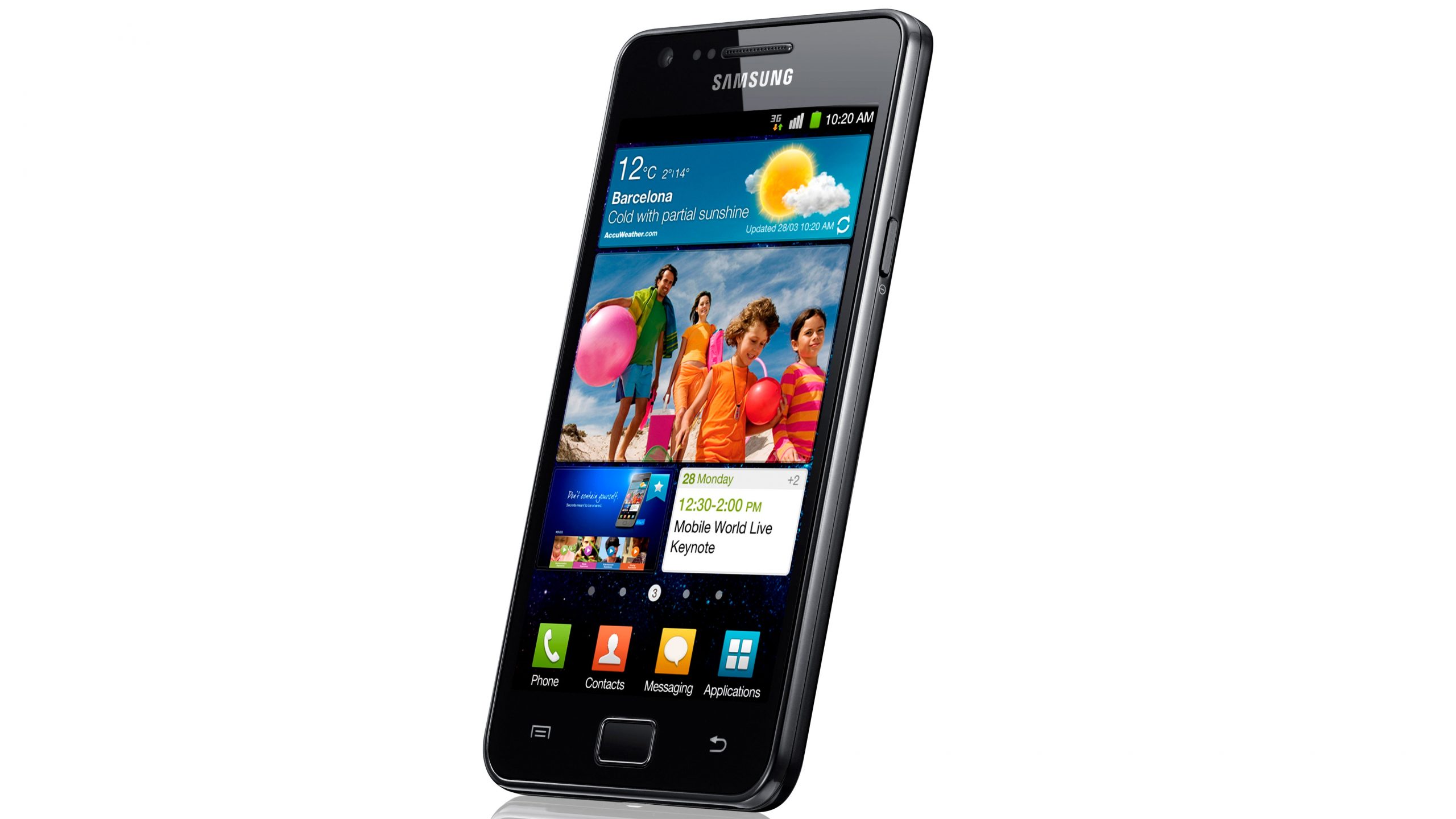
It is May 2011, and the Samsung Galaxy S II has just landed in the UK like a dual-core cruise missile aimed directly at Apple’s head. This is the phone that has finally turned the ‘iPhone Killer’ from a tired marketing cliché into a cold, technical reality. It is impossibly thin (8.49mm) and so light (116g) that you’d be forgiven for thinking the Carphone Warehouse assistant had handed you a plastic dummy model. It is finished in a textured, ‘HyperSkin’ plastic that provides a much-needed grip, but make no mistake, while it lacks the ‘glass and steel’ gravitas of the iPhone 4, what’s happening on the front and inside of this device is on another level entirely.
The technical headline is the dual-core 1.2GHz Exynos processor paired with a full 1GB of RAM. In 2011, this is an astronomical amount of power for a mobile device. It doesn’t just run Android 2.3 Gingerbread; it makes it fly. Swiping through homescreens is so fluid it feels like the icons are floating in oil, and the multitasking is a revelation, you can have a dozen apps open in the background without a single hint of lag. But the real showstopper is the 4.3-inch Super AMOLED Plus display. By moving away from the PenTile matrix of the original Galaxy S, Samsung has created a screen that is sharper, brighter, and more vivid than anything else on the market. The black levels are absolute, making it the ultimate device for watching HD movies on the train to Waterloo.
On the imaging front, the Galaxy S II features an 8-megapixel sensor that is arguably the best in the business. It captures staggering levels of detail and can record full 1080p HD video at a rock-solid 30fps. Unlike the iPhone, it features a highly customisable camera app with dozens of scene modes and settings. Connectivity is equally exhaustive: 21Mbps HSPA+, Bluetooth 3.0, Wi-Fi Direct, and an MHL-enabled microUSB port that can output 1080p video to your TV via an adapter. It also features a microSD slot, allowing you to boost the internal 16GB of storage by another 32GB, a technical freedom that Apple still refuses to grant.
The user interface is ‘TouchWiz 4.0,’ which introduces clever motion-based gestures, like zooming in on a web page by tilting the phone towards you, and the ‘Social Hub,’ which attempts to unify your digital life. The battery life is surprisingly robust for such a powerful thin phone; the 1650 mAh pack can easily last a full day of heavy use, provided you aren’t spending six hours a day playing ‘Raging Thunder 2.’ The Galaxy S II is a technical masterpiece that has redefined the ‘flagship’ experience. It is the definitive power-user’s phone of 2011, a device that feels like it’s been sent back from the future to show us what a dual-core world actually looks like.
