

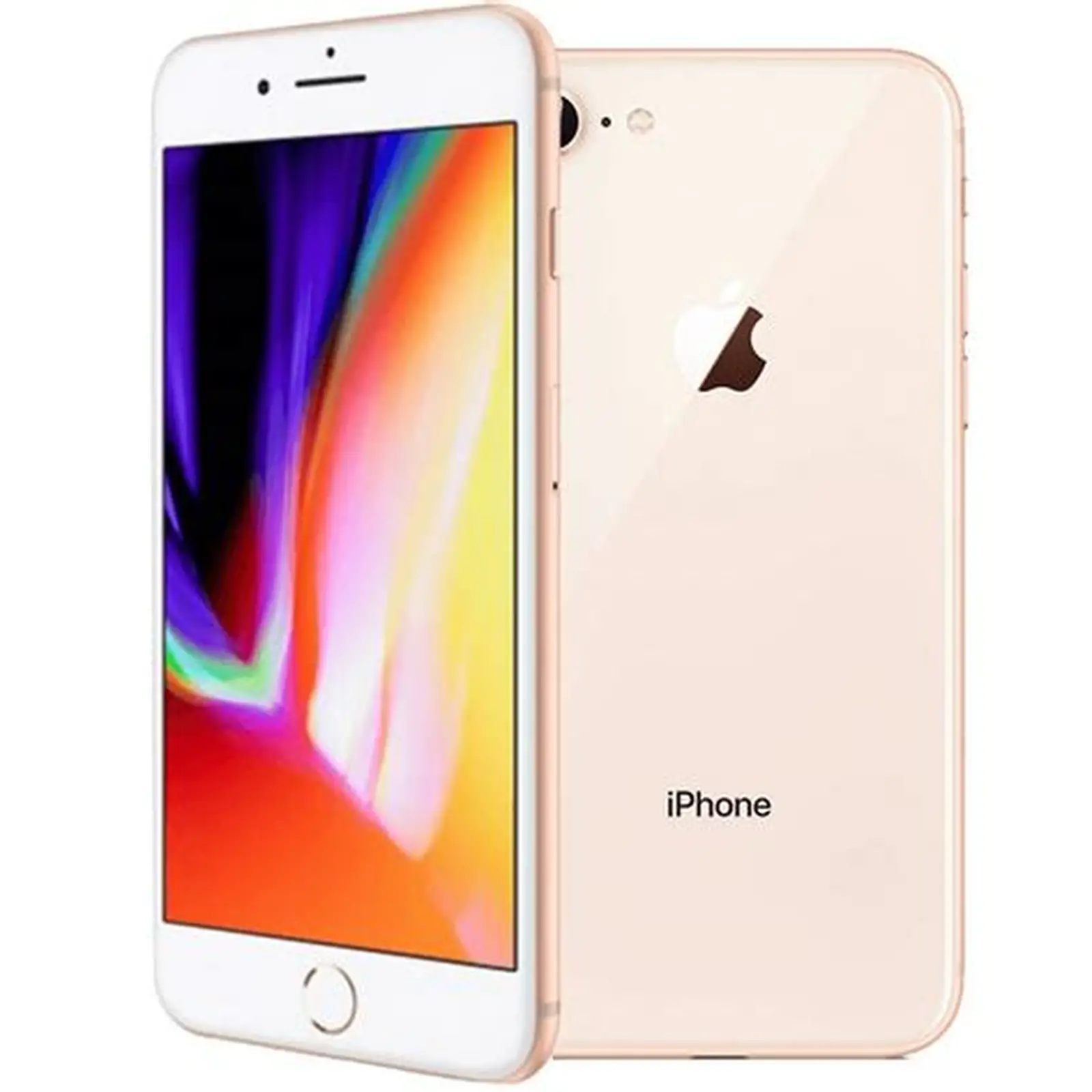
It is September 2017, and Apple has released the ‘perfect’ evolution of the classic iPhone design. The iPhone 8 moves back to a glass-backed chassis to enable a new technical capability: wireless charging. While it retains the 4.7-inch form factor and the physical Touch ID button, the internals are a radical leap forward. At 148g, it is a dense, premium-feeling device that offers the power of the future in the comfort of a familiar design. For the UK user who isn’t ready for the ‘notch’ of the iPhone X, this is the ultimate reliable flagship.
The technical headline is the A11 Bionic chip. This is a six-core beast with a dedicated ‘Neural Engine’ designed to handle AI and machine learning tasks. It is significantly faster than the A10 and enables incredible performance in Augmented Reality (AR) apps. The 4.7-inch Retina display now features ‘True Tone’ technology, which uses a four-channel ambient light sensor to automatically adjust the white balance of the screen to match the light around you, making reading feel as natural as paper.
On the imaging front, the 12-megapixel camera features a larger, faster sensor and a new colour filter, producing deeper pixels and better low-light shots. It also introduces 4K video recording at 60fps, a technical first for a smartphone. Connectivity remains top-tier with 4G LTE, Wi-Fi ac, and Bluetooth 5.0. It is IP67 water and dust resistant and features improved stereo speakers that are 25% louder than the iPhone 7. The iPhone 8 is the definitive ‘final form’ of the classic iPhone era, a technically sophisticated machine that refined every aspect of the one-handed smartphone experience.
