

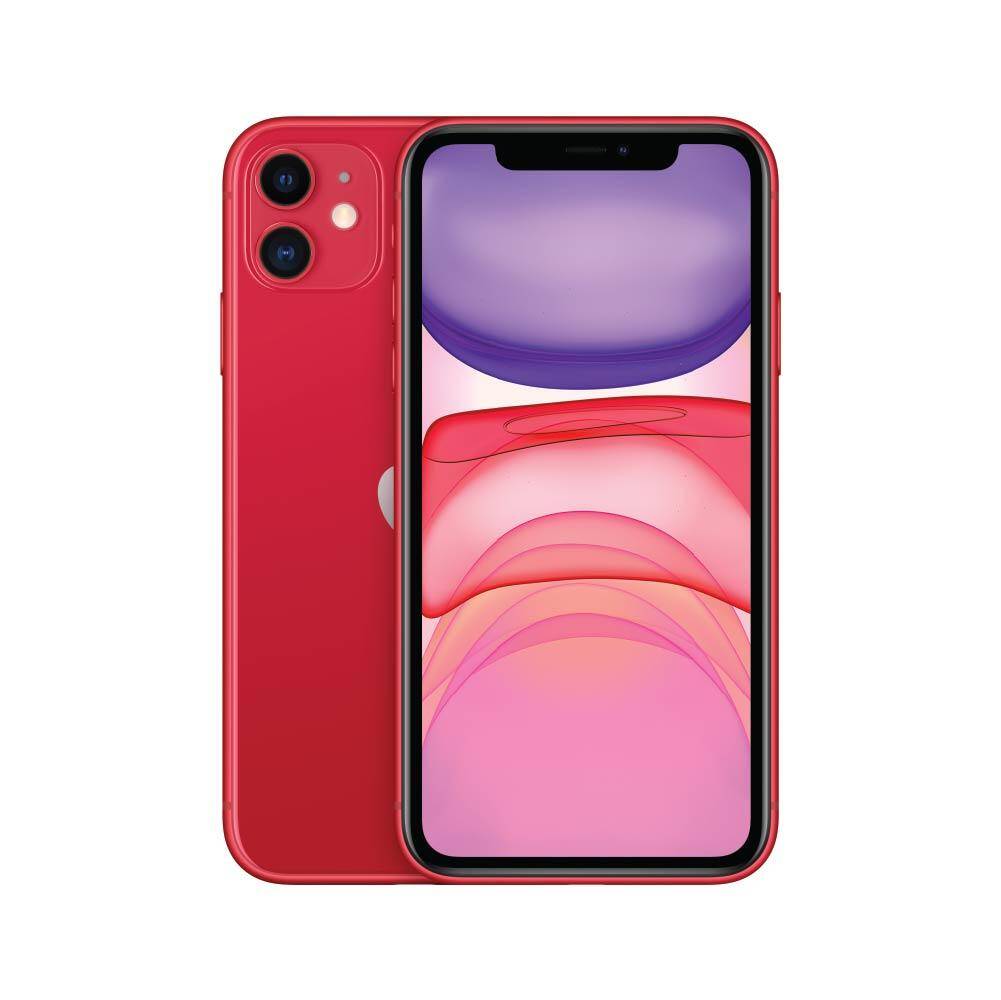
It is September 2019, and Apple has just released the successor to the XR that has instantly become the ‘default’ iPhone for the UK market. The iPhone 11 is a technical exercise in ‘value-plus,’ bringing the most important features of the Pro models to a colorful, 194g glass-and-aluminum chassis. Available in pastel shades like Mint Green and Purple, it feels youthful and approachable, but under the hood, it is anything but entry-level. It is a robust, water-resistant (IP68) machine that proved you don’t need a telephoto lens to be a photography powerhouse.
The technical headline is the A13 Bionic chip. At its launch, this was the fastest CPU and GPU in any smartphone, featuring a dedicated machine learning accelerator that can perform one trillion operations per second. This power is funneled directly into the camera system. The iPhone 11 introduces a new 12-megapixel ultra-wide lens alongside the standard wide sensor, but the real technical breakthrough is ‘Night Mode.’ Using computational long-exposure, it automatically brightens photos in dim conditions without the need for a flash, rivaling the best of Google and Huawei.
The display is a 6.1-inch Liquid Retina LCD (1792 x 828), which, while not OLED, remains the industry leader for color accuracy and True Tone performance. It also features a new technical improvement in audio: Spatial Audio with Dolby Atmos support, creating a much more immersive soundstage for media. Connectivity is future-proofed with Wi-Fi 6 and an Ultra-Wideband (U1) chip for precise spatial awareness. The 3,110 mAh battery, combined with the efficiency of the A13, provides some of the best longevity in the entire smartphone market. The iPhone 11 is the ultimate all-rounder; it is a fast, durable, and incredibly capable device that simplified the flagship choice for millions.
