

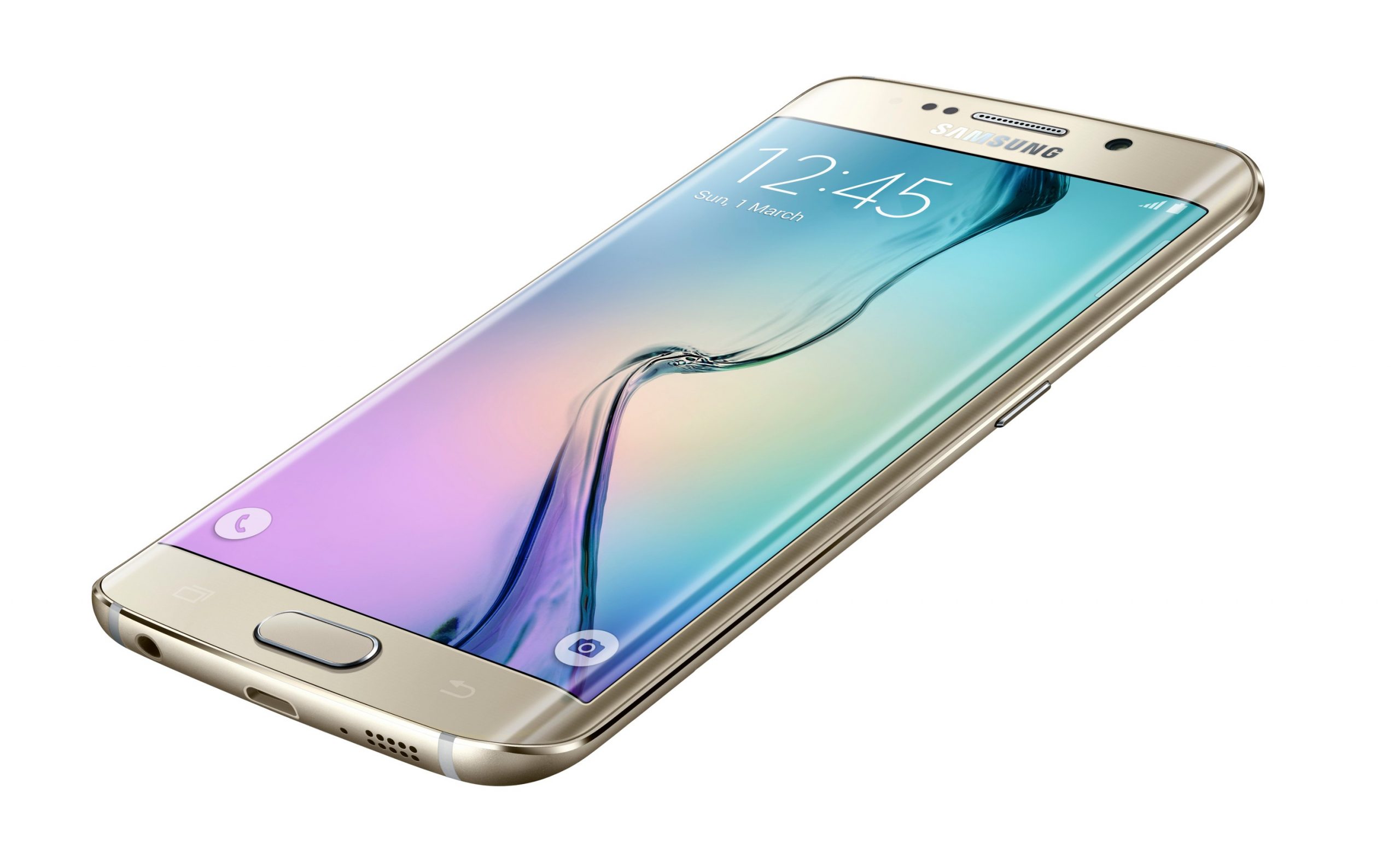
It is April 2015, and Samsung has just shattered the smartphone design mould with the Galaxy S6 Edge. This isn’t just a phone; it’s a technical statement that has reclaimed Samsung’s status as a design leader. The headline feature is the world’s first dual-curved display, where the glass literally wraps around the left and right edges of the device. Milled from aerospace-grade aluminium and protected by Gorilla Glass 4 on both sides, it is a 132g piece of industrial art that makes every other flat phone on the market look archaic overnight.
The technical feat of curving that 5.1-inch Quad HD Super AMOLED (2560 x 1440) panel cannot be overstated. At 577 PPI, it is the sharpest screen on the market, offering deep blacks and a futuristic ‘wraparound’ effect for your content. Under the hood, Samsung has made a massive technical gamble by ditching Qualcomm for its own 14nm Exynos 7420 octa-core processor. It is a blistering performer, paired with 3GB of lightning-fast LPDDR4 RAM. The new ‘TouchWiz’ is leaner and faster, finally allowing the hardware to shine. The S6 Edge also introduces a revolutionary 16-megapixel camera with an f/1.9 aperture and OIS that launches in just 0.7 seconds with a double-tap of the home button.
However, this beauty comes with technical compromises that have divided long-time fans: the battery is now non-removable, and the microSD slot has been removed in favour of faster internal UFS 2.0 storage. Connectivity is top-tier with 4G LTE Cat 6 and built-in wireless charging that supports both Qi and PMA standards. The 2600 mAh battery is a decent performer, though the high-res screen is thirsty. Despite the loss of ‘power user’ staples, the S6 Edge is a landmark device. It proved that Samsung could lead the world in both silicon and aesthetics, creating the most desirable Android phone in history.
