

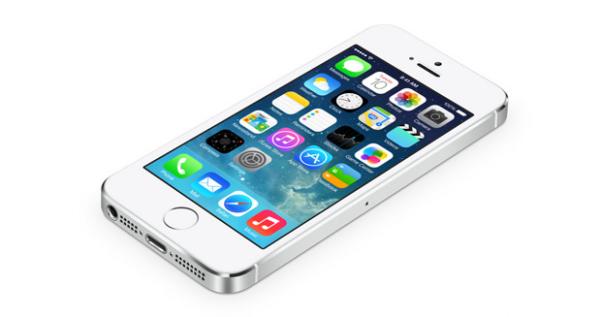
Welcome to March 2016, where Apple has performed a daring technical ‘rollback.’ The iPhone SE is the ultimate gift for the small-phone purist, a device that fits the legendary 4-inch chassis of the iPhone 5s with the bleeding-edge internals of the iPhone 6s. At just 113g, it is a pocket-friendly powerhouse that has taken the UK by storm, proving that you don’t need a phablet to have a flagship experience. It is finished in the same bead-blasted aluminium as the 5s, but with matte-chamfered edges and a stainless steel Apple logo.
The technical headline is the A9 chip. By packing the most powerful mobile processor of 2016 into a 4-inch frame with a lower-resolution screen (1136 x 640), Apple has created a device that is, in some benchmarks, even faster than the iPhone 6s. It features 2GB of RAM, ensuring that multitasking and web browsing are fluid and lag-free. The camera is the same 12-megapixel ‘iSight’ unit found in the flagship, capable of recording 4K video and capturing ‘Live Photos.’ It also features a built-in NFC chip, bringing Apple Pay to the smaller form factor for the first time.
Connectivity is robust, featuring 4G LTE and Wi-Fi ac. Because it lacks the power-hungry 3D Touch layer and features a highly efficient processor, the 1,624 mAh battery provides some of the best longevity ever seen in an iPhone, often outlasting the larger 6s. The only technical concessions are the first-generation Touch ID sensor and the 1.2-megapixel FaceTime camera. The iPhone SE is a brilliant bit of niche engineering; it is the most powerful 4-inch phone in history, a technical love letter to the era of one-handed usability.
