

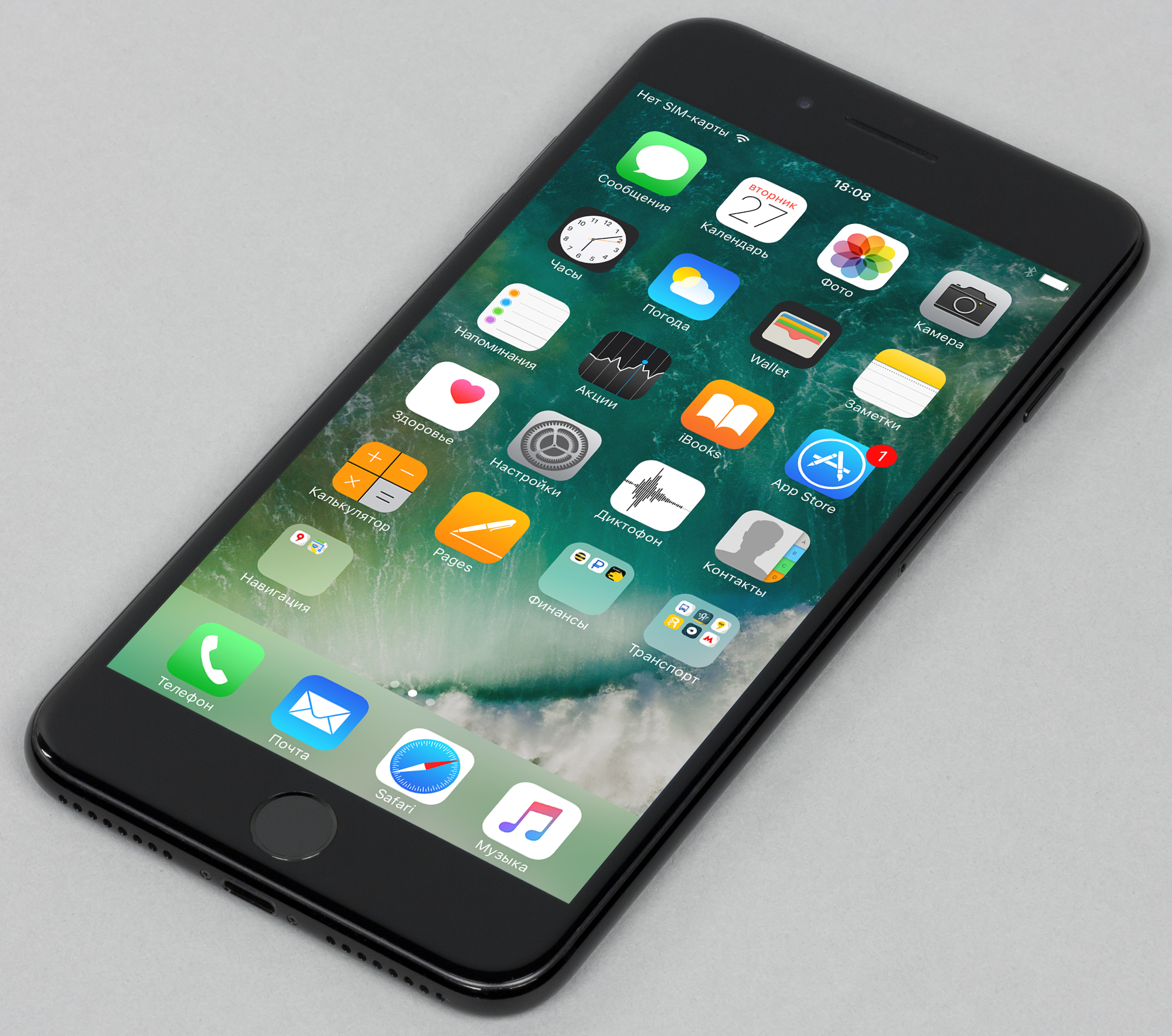
It is September 2016, and Apple has just made the most controversial technical decision in the history of the smartphone: they have removed the 3.5mm headphone jack. The iPhone 7 is a refined evolution of the 6s design, featuring new ‘Solid State’ Home buttons and a high-gloss ‘Jet Black’ finish that looks like liquid metal. At 138g, it is a sleek, seamless device that finally introduces IP67 water and dust resistance to the iPhone line, a technical upgrade that has been long-awaited by UK users tired of rain-damaged handsets.
The technical headline is the A10 Fusion chip. This is Apple’s first four-core processor, featuring two high-performance cores for heavy lifting and two high-efficiency cores for light tasks. This architecture provides a 40% boost in speed over the A9 while significantly improving battery life. The screen remains a 4.7-inch Retina display, but it is now 25% brighter and features a ‘Wide Colour’ gamut (P3) for more cinematic, vibrant imagery. It also introduces stereo speakers for the first time, providing a much-improved audio experience for movies and gaming.
On the imaging front, the 12-megapixel camera now features Optical Image Stabilisation (OIS) as standard, along with a wider f/1.8 aperture and a new six-element lens. This makes the iPhone 7 a much more capable low-light performer than its predecessor. Connectivity is top-tier with 450Mbps LTE and Wi-Fi ac. While the loss of the headphone jack requires the use of a Lightning adapter or the new wireless ‘AirPods,’ the internal space saved allowed for a larger Taptic Engine and a 1,960 mAh battery. The iPhone 7 is a brave, forward-looking device that prioritised internal efficiency and durability over legacy ports.
