

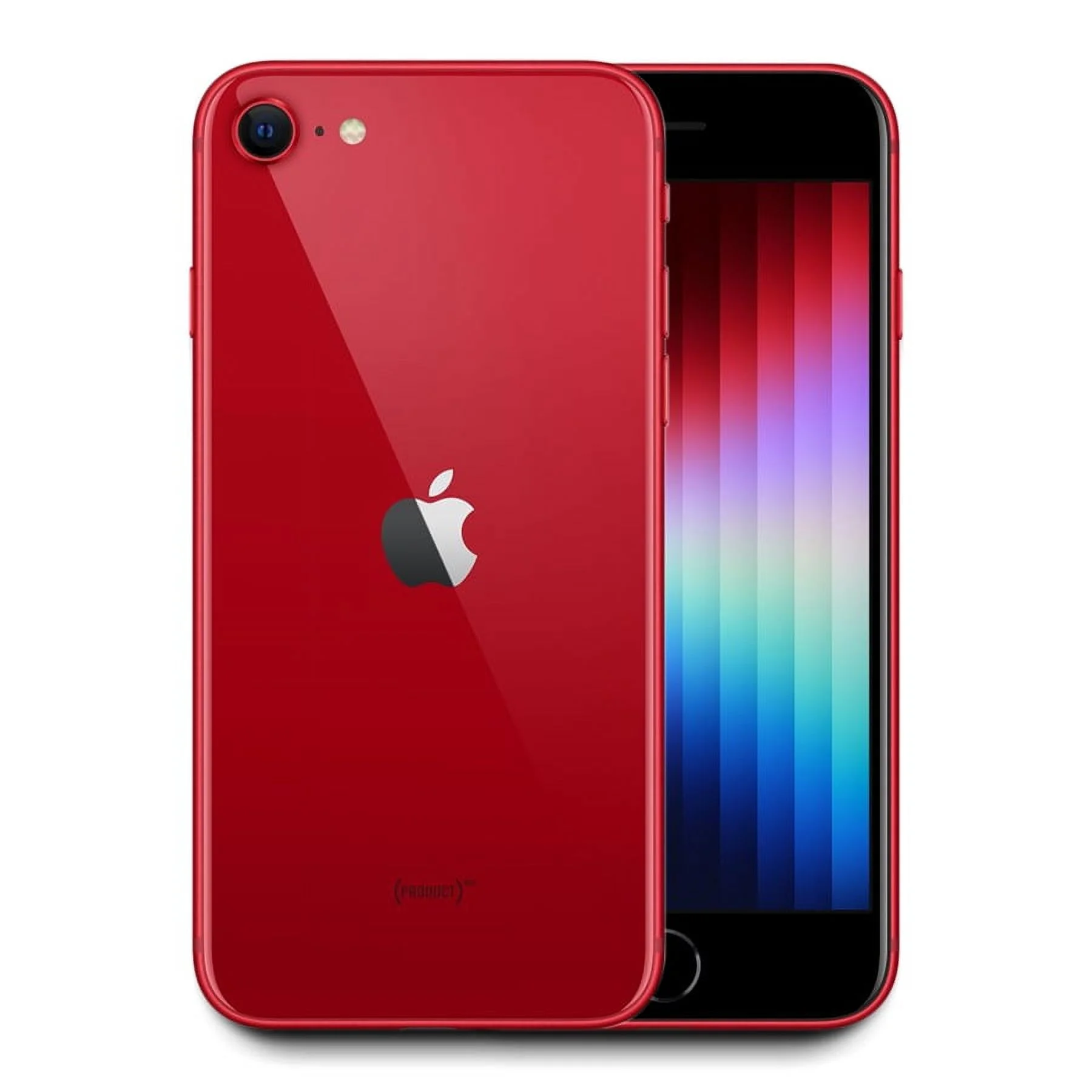
It is April 2020, and Apple has just released the ultimate ‘pandemic-era’ smartphone. The iPhone SE (2nd Generation) is a technical masterclass in recycling, taking the beloved 4.7-inch chassis of the iPhone 8 and stuffing it with the world-beating brain of the iPhone 11 Pro. At 148g, it is a compact, nostalgic, and incredibly powerful machine that has arrived at a time when UK users are looking for reliability and value over flashy design. It is the definitive ‘smart buy,’ offering flagship performance for less than half the price of a Pro.
The technical headline is the A13 Bionic chip. By putting the most powerful mobile processor of 2020 into a device with a lower-resolution 4.7-inch Retina HD display (1334 x 750), Apple has created a performance monster. It handles iOS 13 with a level of speed that makes it feel virtually future-proof. The single 12-megapixel camera is also a technical beneficiary of the A13; while the hardware is familiar, the computational photography, including ‘Smart HDR’ and the best ‘Portrait Mode’ ever seen on a single-lens iPhone, elevates the image quality to near-flagship levels.
Connectivity is robust with Wi-Fi 6, Gigabit-class LTE, and dual-SIM support (via eSIM). It retains the iconic physical Touch ID Home button, which has become a technical godsend in an era of face masks. It also features IP67 water resistance and wireless charging, features rarely seen at this price point. While the 1,821 mAh battery is small by modern standards, the efficiency of the A13 chip ensures a solid day of light-to-moderate use. The iPhone SE (2020) is a brilliant bit of engineering; it proved that the most important part of a phone isn’t the screen-to-body ratio, but the silicon beating inside it.
