

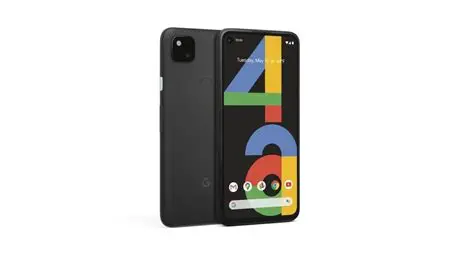
It is August 2020, and Google has released the definitive ‘essential’ smartphone for a world in flux. The Pixel 4a is a 143g masterclass in pragmatism, stripping away the gimmicks of the Pixel 4, like Soli radar and face unlock, in favour of a reliable rear fingerprint sensor and a headphone jack. In the UK, it has arrived as a technical breath of fresh air: a compact, ‘soft-touch’ polycarbonate device that prioritises a clean user experience and world-class photography at a mid-range price point of £349.
The technical headline is the camera parity with its flagship siblings. Despite having only a single 12.2-megapixel sensor, the Pixel 4a uses Google’s industry-leading computational photography to deliver ‘Night Sight’ and ‘Astrophotography’ modes that can embarrass phones three times its price. Under the hood, it is powered by the Snapdragon 730G and 6GB of RAM, providing a smooth, consistent experience on ‘Stock’ Android 10. The display is a 5.81-inch OLED (2340 x 1080) with a modern ‘hole-punch’ design, offering vibrant colours and the highest screen-to-body ratio ever seen on a Pixel to date.
Connectivity is solid with 4G LTE, Wi-Fi ac, and NFC for Google Pay. The 3,140 mAh battery is remarkably efficient, comfortably lasting a full day thanks to the power-frugal processor and Google’s ‘Adaptive Battery’ software. It also includes the ‘Titan M’ security chip for hardware-level data protection. The Pixel 4a is a landmark bit of tech; it proved that by focusing on the core pillars of camera, software, and battery, Google could create a phone that felt more ‘premium’ in daily use than many of its over-specced rivals. It is the ultimate tool for the minimalist.
