

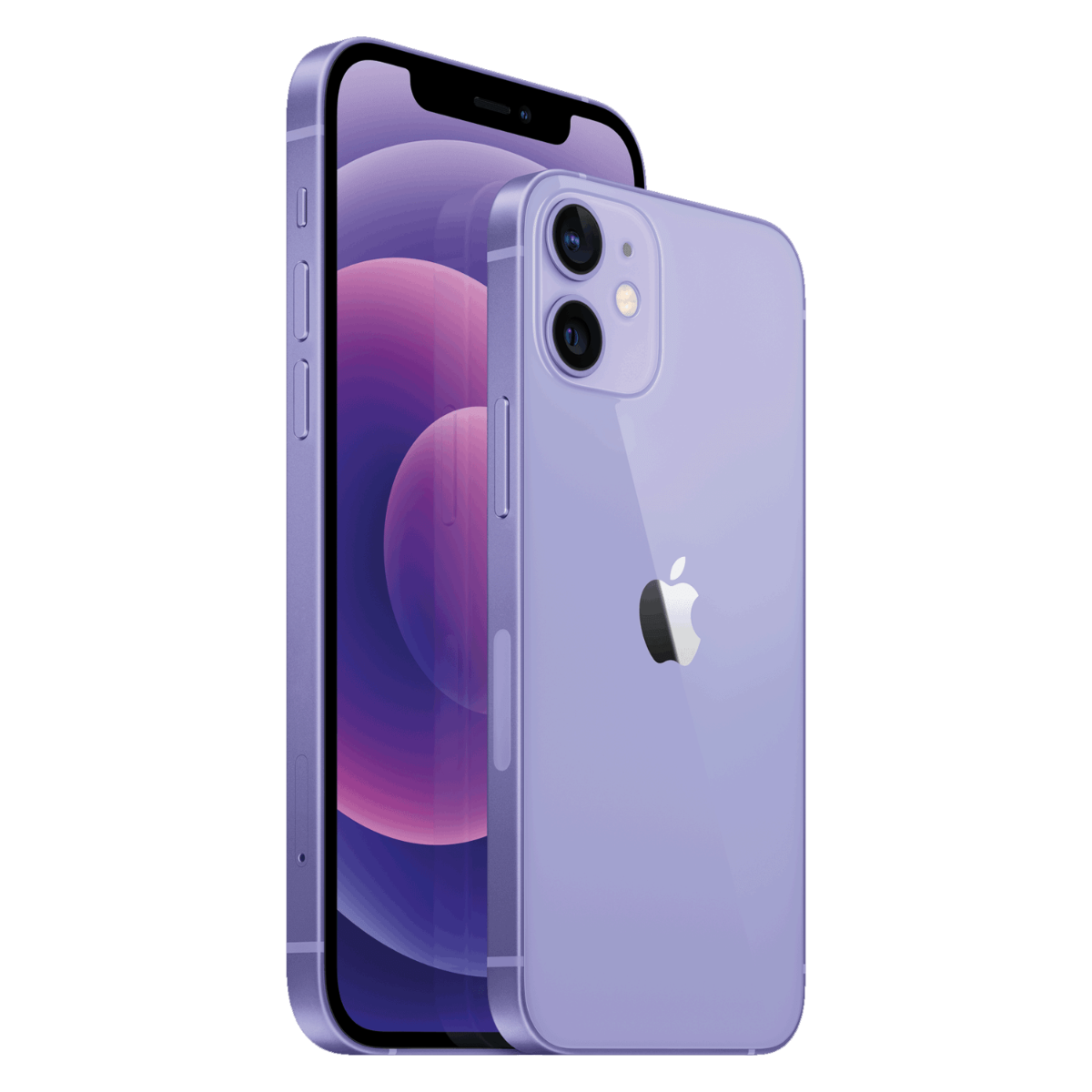
Welcome to October 2020, and the edges are flat once again. The iPhone 12 is a total technical redesign that draws inspiration from the legendary iPhone 4 while pushing the brand into the 5G era. At 162g, it is thinner, smaller, and lighter than the iPhone 11, yet it features a larger-feeling screen thanks to drastically reduced bezels. In the UK, it has arrived as the first ‘standard’ iPhone to feature an OLED display, closing the technical gap between the base model and the Pro line.
The technical headline is the move to ‘Super Retina XDR’ OLED across the board. The 6.1-inch panel (2532 x 1170) offers a 2,000,000:1 contrast ratio and HDR support, making blacks truly black for the first time on a non-Pro model. It also introduces ‘Ceramic Shield,’ a new material that infuses nano-ceramic crystals into the glass to provide 4x better drop performance. Under the hood, the A14 Bionic, the world’s first 5nm smartphone chip, delivers a 50% boost in speed and efficiency, powering a new 12-megapixel dual-camera system that now supports ‘Night Mode’ on every single lens, including the front-facing camera.
The most visible technical innovation is ‘MagSafe.’ A ring of magnets on the back allows for a whole new ecosystem of snap-on wireless chargers and accessories. Connectivity is dominated by the arrival of 5G, providing massive bandwidth for the UK’s growing high-speed networks. While the 2,815 mAh battery is slightly smaller than the 11, the 5nm chip keeps the endurance respectable. The iPhone 12 is a landmark device; it brought premium OLED technology, 5G speed, and a stunning new industrial design to the heart of the Apple lineup.
